
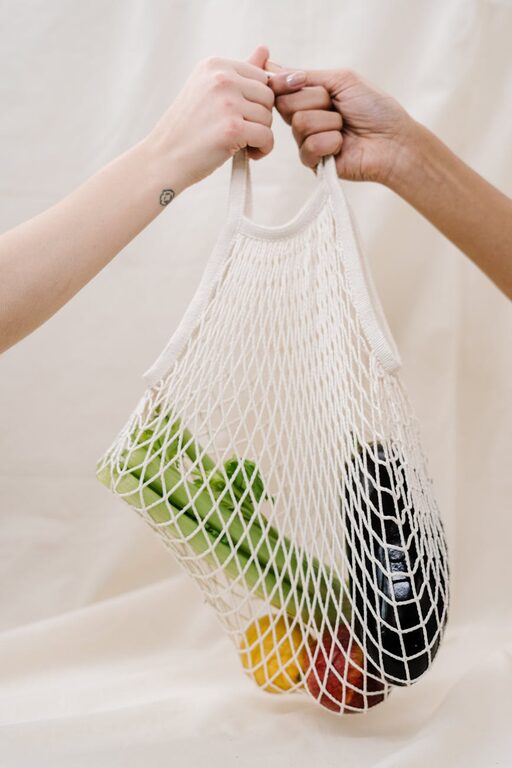
Reducing food waste at home is a smart way to save money, help the environment, and make better use of the food you buy. Many of us unknowingly throw away perfectly good food, but with a few practical habits, you can significantly cut down on waste. This blog post will guide you through easy and effective strategies to reduce food waste in your daily life.
Why Is Reducing Food Waste Important?
Food waste contributes to environmental issues like greenhouse gas emissions and unnecessary resource use. When food is thrown away, all the effort, water, and energy used to produce it are wasted too. By minimizing food waste, you can help conserve resources, reduce landfill waste, and support a more sustainable lifestyle.
Plan Your Meals Ahead
One of the best ways to reduce food waste is to plan your meals for the week. Taking a little time to plan allows you to buy only what you need, meaning less excess food that might spoil.
– Make a shopping list based on your meal plan.
– Include portion sizes to avoid buying too much.
– Review your pantry and fridge before shopping to use existing ingredients.
Shop Smart and Mindfully
When you shop, keep the following tips in mind to prevent waste:
– Buy in quantities you can realistically consume before the food expires.
– Choose fresh produce that is still firm and free of bruises.
– Consider frozen or canned alternatives if fresh food is likely to spoil before use.
– Avoid impulse buys; stick to your list.
Store Food Properly
Proper storage can extend the life of your food significantly. Here are some quick tips:
– Store fruits and vegetables separately since some fruits emit gases that can speed up spoilage.
– Use airtight containers to keep food fresh.
– Use your fridge’s crisper drawers for produce to maintain the right humidity.
– Wrap leafy greens in a damp paper towel and store them in a perforated plastic bag.
Use Leftovers Creatively
Instead of tossing leftovers, use them in new meals to minimize waste.
– Transform leftover veggies into soups or stir-fries.
– Use stale bread for breadcrumbs or croutons.
– Freeze portions of meals you won’t finish in time.
– Create “leftover nights” to use what’s in your fridge before buying more food.
Understand Expiration Dates
Expiration dates can be confusing and lead to unnecessary food waste.
– “Best before” dates usually indicate quality, not safety.
– Use your senses—look, smell, and taste—to decide if food is still good.
– Learn which foods can be safely frozen to extend their life.
Compost Food Scraps
Some food waste is unavoidable, but composting helps reduce landfill waste and creates nutrient-rich soil.
– Collect vegetable peels, coffee grounds, eggshells, and other compostable scraps.
– Avoid adding meat or dairy to compost bins as they can attract pests.
– Check if your community has composting programs if you can’t compost at home.
Educate Your Family
Encouraging everyone at home to be mindful about food use strengthens these habits.
– Share information on proper food storage and meal planning.
– Get everyone involved in cooking to increase awareness of food portions.
– Celebrate waste-free meals together to build positive habits.
Final Thoughts
Reducing food waste at home benefits your wallet and the planet. Simple steps like planning meals, shopping wisely, storing food correctly, and creatively using leftovers can make a big difference. Start implementing these tips today to enjoy fresher food, save money, and contribute to a healthier environment.
Remember, every effort counts when it comes to reducing food waste. Your mindful choices make a positive impact!