
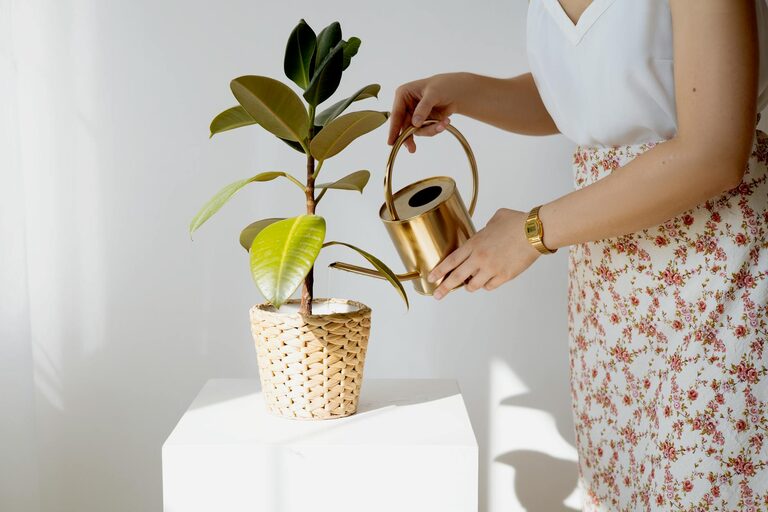
Bringing houseplants into your home isn’t just about decoration—it’s also about creating a calming environment and improving indoor air quality. However, keeping houseplants healthy can sometimes feel challenging, especially if you’re new to indoor gardening. With the right care and attention, your greenery can thrive for years. Here’s a comprehensive guide to help you keep your houseplants happy and healthy.
Understanding Your Houseplant’s Needs
Every plant species has unique requirements. Understanding these needs is the first step toward successful plant care.
Know Your Plant’s Light Requirements
– Low Light: Plants like pothos or snake plants thrive in shaded corners or rooms without direct sunlight.
– Medium Light: Many ferns and peace lilies prefer moderate, indirect sunlight.
– Bright Light: Succulents and cacti need plenty of bright, direct sunlight.
Always place your plant in a spot that suits its light preference.
Watering Wisely
Watering is one of the most common challenges. Both overwatering and underwatering can harm plants.
– Check Soil Moisture: Stick your finger about an inch into the soil. If it feels dry, it’s time to water.
– Drainage is Key: Ensure pots have drainage holes to prevent waterlogging.
– Consistency: Try to maintain a consistent watering schedule tailored to your plant’s needs.
Creating an Ideal Environment
Beyond light and water, several other factors influence plant health.
Temperature and Humidity
– Most houseplants prefer temperatures between 65-75°F (18-24°C).
– Avoid placing plants near drafts, heaters, or air conditioners.
– Some tropical plants love humidity—consider misting the leaves or using a humidifier.
Soil and Fertilizer
– Use good quality potting soil designed for indoor plants.
– Repot plants every 1-2 years to refresh soil and allow room for growth.
– Fertilize periodically during the growing season (spring and summer) with a balanced, diluted fertilizer following the product’s directions.
Regular Plant Care Practices
Pruning and Cleaning
– Remove dead or yellowing leaves to encourage growth and prevent disease.
– Wipe dust off leaves gently with a damp cloth to help plants absorb light efficiently.
Pest Management
– Inspect plants regularly for signs of pests like aphids, spider mites, or mealybugs.
– If pests are found, isolate the plant and treat with insecticidal soap or natural remedies like neem oil.
Troubleshooting Common Problems
Yellowing Leaves
Typically caused by overwatering, poor drainage, or lack of nutrients. Adjust watering habits and check the soil.
Wilting Plants
Could indicate underwatering, root rot, or environmental stress. Assess soil moisture and plant position.
Slow Growth
May result from insufficient light, poor soil, or pests. Consider moving your plant to a brighter spot, repotting, or treating for pests.
Tips for Success
– Start Simple: Begin with low-maintenance plants and gradually expand your collection.
– Observe Your Plants: Spend time noticing changes in appearance, which can provide clues about their needs.
– Keep a Plant Journal: Track watering, fertilizing, and growth milestones.
– Rotate Plants: Turn plants occasionally so all sides receive light and grow evenly.
Conclusion
Keeping houseplants healthy is a rewarding experience that enriches your living space and boosts your mood. With attention to light, water, soil, and environmental conditions, you can nurture your plants effectively. Remember, patience and observation are key—each plant has its own rhythm. By following these tips, your indoor garden will flourish and bring lasting beauty to your home. Happy planting!