
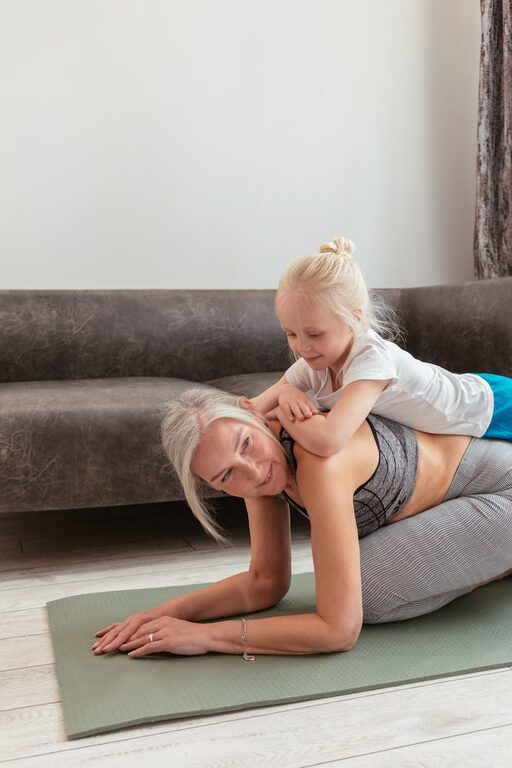
Stretching is a simple yet powerful way to improve your physical health and enhance your daily comfort. Whether you’re looking to ease muscle tension, prevent injury, or increase mobility, incorporating stretching into your routine can make a significant difference. The best part? You don’t need special equipment or a gym membership to get started. This beginner’s guide will walk you through the basics of stretching at home, offering tips, techniques, and sample stretches to help you build a flexible, balanced body.
Why Stretching Matters
Stretching helps lengthen your muscles and improve your range of motion. Regular stretching can:
– Reduce muscle stiffness and soreness
– Increase blood flow to muscles
– Enhance posture and balance
– Decrease risk of injury during physical activity
– Relieve stress and promote relaxation
By dedicating just a few minutes each day to stretching, you can enjoy these benefits and support your overall wellness.
Preparing for Stretching at Home
Before you dive into stretching exercises, keep these pointers in mind to create a safe and effective practice.
Find a Comfortable Space
Choose a quiet, open area with enough space to move freely. A soft surface like a yoga mat or carpet is ideal to cushion your joints.
Dress for Comfort
Wear loose, comfortable clothing that won’t restrict your movement.
Warm Up First
Stretching cold muscles can cause injury. Start with a gentle warm-up like walking in place or doing arm circles for 3-5 minutes to get your blood flowing.
Listen to Your Body
Stretch to the point of mild tension, not pain. If a stretch causes discomfort, ease off or skip it.
Types of Stretching
Understanding different stretching methods will help you decide what’s best for your body and goals.
Static Stretching
This involves holding a stretch position for 15-60 seconds. It’s great for cooling down after exercise and improving overall flexibility.
Dynamic Stretching
Dynamic stretches use controlled, active movements through your range of motion, like leg swings or arm circles. These are perfect before workouts to prepare your muscles.
PNF Stretching
Proprioceptive Neuromuscular Facilitation (PNF) involves alternating contraction and relaxation of muscles while stretching. It’s an advanced technique usually done with a partner.
For beginners at home, static and dynamic stretching are the most accessible and effective.
Basic Stretching Routine for Beginners
Here’s a simple routine that targets key muscle groups and can be done in about 10-15 minutes.
1. Neck Stretch
– Sit or stand tall.
– Tilt your head to the right, bringing your ear toward your shoulder.
– Hold for 20 seconds, then switch sides.
2. Shoulder Rolls
– Stand with your arms at your sides.
– Roll your shoulders forward in a circular motion 10 times.
– Repeat rolling backward 10 times.
3. Chest Stretch
– Interlace your fingers behind your back.
– Straighten your arms and gently lift them upward while opening your chest.
– Hold for 30 seconds.
4. Cat-Cow Stretch (Spine Mobility)
– Start on your hands and knees in a tabletop position.
– Inhale, arch your back and lift your head (Cow).
– Exhale, round your spine and tuck your chin (Cat).
– Repeat 10 times.
5. Seated Forward Fold
– Sit with legs extended straight in front of you.
– Hinge at the hips and reach toward your toes without forcing the stretch.
– Hold for 30 seconds.
6. Quadriceps Stretch
– Stand holding a wall or chair for balance.
– Bend your right knee, grabbing your ankle behind you.
– Pull gently to stretch the front of your thigh.
– Hold for 20 seconds, then switch legs.
7. Hamstring Stretch
– Lie on your back and lift one leg up, holding behind your thigh or calf.
– Keep the other leg bent or straight on the floor.
– Hold for 30 seconds, then switch legs.
8. Calf Stretch
– Stand facing a wall, step one foot back keeping it flat on the floor.
– Lean forward slightly to stretch the calf muscle.
– Hold for 30 seconds, then switch sides.
Tips for Building a Stretching Habit
Consistency is key when it comes to stretching. Here’s how to stick with it:
– Set a regular time: Stretch daily, ideally after waking up or before bedtime.
– Start small: Aim for 5-10 minutes, then gradually increase.
– Combine with breathing: Deep, slow breaths will enhance relaxation.
– Use reminders: Place a note or set an alarm to encourage daily practice.
– Mix it up: Try new stretches or follow video guides to stay motivated.
When to Avoid Stretching
While stretching is generally safe, avoid stretching if you:
– Have a recent injury or open wound
– Are feeling sharp or intense pain
– Experience inflammation in a joint or muscle
If you have any medical concerns, consult a healthcare professional before starting a stretching routine.
Final Thoughts
Starting to stretch at home can be a refreshing and rewarding addition to your daily routine. It requires minimal time, no special equipment, and offers long-term benefits for your body and mind. Use this beginner’s guide to build a stretching habit that helps you feel more relaxed, flexible, and ready for whatever the day brings.
Remember, the key is to move gently and listen to your body as you develop your routine. Happy stretching!